October 30, 2026
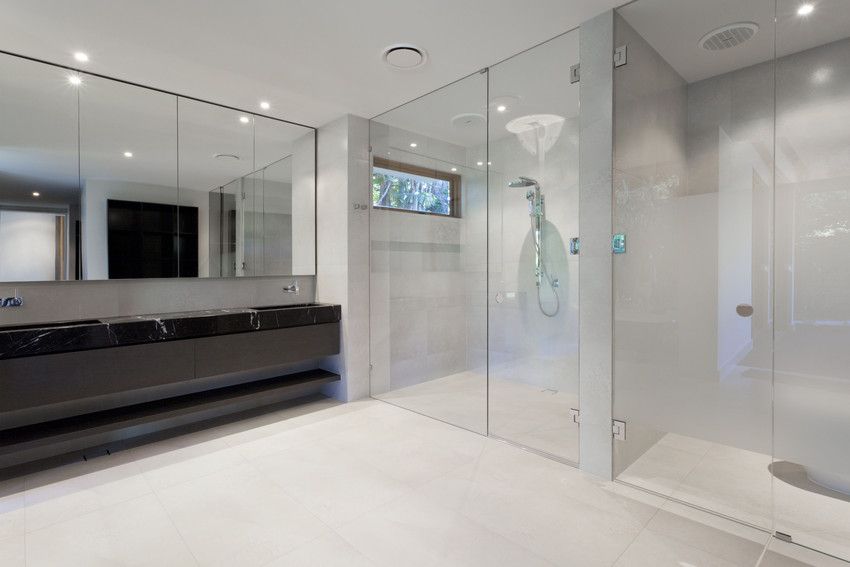
A new glass shower enclosure can make a bathroom feel brighter and more open. Whether you are renovating or replacing a worn enclosure, understanding the process helps you make decisions about style, measurements, installation, and maintenance. Professional glass services can help you choose a design that fits your layout and accounts for door clearance, water containment, and hardware placement.
A shower glass project involves more than selecting an attractive panel. The opening must be measured accurately, the glass must suit the design, and the enclosure must be installed with attention to alignment and secure support. Knowing what happens at each stage helps you plan and ask useful questions before work begins.
Understanding Your Shower Glass Options
The first step is determining which enclosure best suits your bathroom. Framed shower doors use a metal frame around the glass, while semi-frameless designs combine glass panels with selected framing components. Frameless enclosures minimize visible framing, creating a clean appearance that complements many bathroom styles.
The choice depends on the shower's dimensions, walls, fixtures, and your preferences. A compact bathroom may suit a sliding door, while a larger shower might accommodate a hinged door or fixed panel with an open entry. Your provider can explain which configurations fit the space.
Clear glass keeps decorative tile visible and can make a shower feel more open. Low-iron glass may reduce the green tint at the edges of standard clear glass. Textured and frosted options provide more privacy.
During a consultation, glass services can help you compare options for everyday use. Consider entry space, household needs, and whether the enclosure should coordinate with existing faucets, showerheads, and cabinet hardware.
Preparing for Measurements and Design
Accurate measurements are essential to a successful enclosure. Bathrooms may appear square and level, but walls, floors, and curb surfaces can have slight variations. Those differences matter when glass panels and doors must fit a specific opening. Professional measurements account for the actual installation area instead of relying on estimates.
A provider will assess the opening, adjacent walls, and mounting surface. Shower controls, shelves, and other fixtures can affect door movement. An outward-swinging door needs enough clearance to avoid a vanity, toilet, or other obstruction.
The design discussion may cover panel count, door direction, handles, hinges, and support hardware. Make these decisions before fabrication because custom glass is produced to match the approved dimensions.
Mention planned tile work, changes to the shower curb, or other renovation tasks that could affect the opening. Coordinating the sequence helps avoid measuring too early or revising the design after surfaces change. It also clarifies what the quote includes and which decisions still need approval.
Reviewing Glass Types and Hardware
The glass and hardware influence both appearance and performance. Shower enclosures commonly use safety glazing intended for these applications. Your provider should explain the selected glass specification and its suitability for the design. Thickness, panel size, door style, and hardware requirements must be considered together.
Hardware finishes such as chrome, brushed metal, or darker tones can coordinate with bathroom fixtures. Hinges, handles, brackets, and channels must also suit the enclosure's weight and design.
Ask how the glass and hardware should be cleaned. Some products have protective coatings intended to make routine cleaning easier, but they do not eliminate maintenance. The manufacturer's recommendations can help you choose materials that suit your preferences and cleaning habits.
Understanding the Installation Process
After design approval and measurement, the glass is prepared to the project specifications. Custom panels may need fabrication, making the overall timeline longer than the installation visit. Your provider should explain the schedule and communicate changes.
On installation day, the team positions the panels, attaches the necessary hardware, and checks that the door opens and closes correctly. Installers assess alignment and apply appropriate sealing materials where required. These steps help the enclosure function as intended and limit water escaping through gaps.
According to This Old House, a typical professional shower door installation takes about two to four hours, although the actual time depends on the enclosure and its complexity. Larger designs, multiple panels, unusual openings, or adjustments to the existing space may require additional time.
Before the appointment, ask whether the quote includes removing an existing enclosure, disposing of old materials, and cleaning the work area. Professional glass services should also include clear instructions about any precautions needed after installation, such as waiting before using the shower.
Planning for Installation and Access
Prepare by clearing bath products, towels, and decorations from the work area. Keep hallways and other routes clear so the team can carry materials safely.
Ask whether someone needs to remain home and whether pets or children should stay away from the work area. Confirm how long the shower must remain unused after installation. Sealants may require a curing period, and following the installer's instructions helps protect the finished enclosure.
For a larger renovation, coordinate installation with tile, flooring, plumbing, and painting. Confirming the sequence helps prevent scheduling conflicts and protects finished surfaces.
For a custom design, ask who will contact you if a measurement issue, material delay, or installation concern arises. A reliable provider should explain next steps, expected timing, and decisions that require your approval.
Maintaining Your Shower Glass
Routine care preserves glass and hardware. Drying water can leave mineral deposits, especially in hard-water areas, while soap residue can build up. Follow the manufacturer's cleaning recommendations to prevent stubborn deposits.
Use cleaning products approved for your glass and hardware. Abrasive pads, harsh chemicals, or unsuitable tools may damage certain finishes or protective coatings. If the enclosure includes a water-repellent treatment, ask how to maintain it and which products to avoid.
Pay attention to hinges, handles, tracks, and seals during normal cleaning. Sliding doors may collect residue in their tracks, while hinged enclosures can develop wear around seals. If you notice a loose component, unusual movement, or a change in how the door closes, contact a qualified provider instead of forcing the hardware or attempting an adjustment without appropriate guidance.
Depending on the provider, help may also be available for existing enclosures. Damaged seals, shifting hardware, or visible glass damage warrant a professional assessment. Stop using an enclosure if the glass is cracked or unstable.
Evaluating Service Quality and Project Costs
Before approving an estimate, confirm what the price includes. Cost may depend on dimensions, glass type, hardware, panel count, fabrication, removal of an old door, and bathroom layout.
Request an itemized quote and ask about possible additional charges. Confirm timing, payment terms, warranty coverage, and how to report concerns. Compare estimates for similar designs and scopes.
Communication matters alongside price. A professional should explain available options, answer questions, and describe how the enclosure will fit your space. Ask about experience with your preferred door style and whether the installation includes a final check of alignment, hardware operation, and sealing.
Choosing glass services based on fit, communication, and workmanship — not price alone — can help you make a decision that suits your bathroom and budget. Understanding the project before work begins also helps set realistic expectations.
A well-planned shower enclosure can bring lasting style and everyday convenience to your bathroom. If you are considering a new enclosure or replacing an existing door, contact Guaranty Glass and Mirror to discuss your project, explore your options, and schedule a consultation.